The Importance and Awareness of Blockchain in India
Table of Contents
| Heading | Subtopics |
|---|---|
| 1. Introduction to Blockchain | Definition, evolution, key principles |
| 2. How Blockchain Works | Decentralization, immutability, consensus mechanisms |
| 3. Importance of Blockchain Technology | Security, transparency, efficiency |
| 4. Blockchain Awareness in India | Current knowledge levels, misconceptions, adoption barriers |
| 5. Government Initiatives on Blockchain in India | Digital India, RBI and SEBI regulations, state-level initiatives |
| 6. Blockchain in Indian Banking and Finance | Role in payments, fraud prevention, smart contracts |
| 7. Blockchain in Supply Chain Management | Transparency in logistics, reducing fraud, automation |
| 8. Blockchain in Healthcare | Secure patient data, interoperability, medical research |
| 9. Blockchain in Education | Digital certificates, student records, reducing fraud |
| 10. Blockchain in Governance and Public Sector | Voting systems, land records, digital identity |
| 11. Blockchain and Cryptocurrency in India | Status of Bitcoin, Ethereum, CBDC (Central Bank Digital Currency) |
| 12. Blockchain Startups in India | Leading Indian blockchain startups, innovations, success stories |
| 13. Challenges of Blockchain Adoption in India | Scalability, legal concerns, lack of awareness |
| 14. The Future of Blockchain in India | Growth projections, potential sectors, government involvement |
| 15. Educating and Upskilling Indians in Blockchain | Courses, certifications, career opportunities |
| 16. Myths and Facts About Blockchain | Debunking common misconceptions |
| 17. FAQs on Blockchain in India | Common questions and expert answers |
1. Introduction to Blockchain
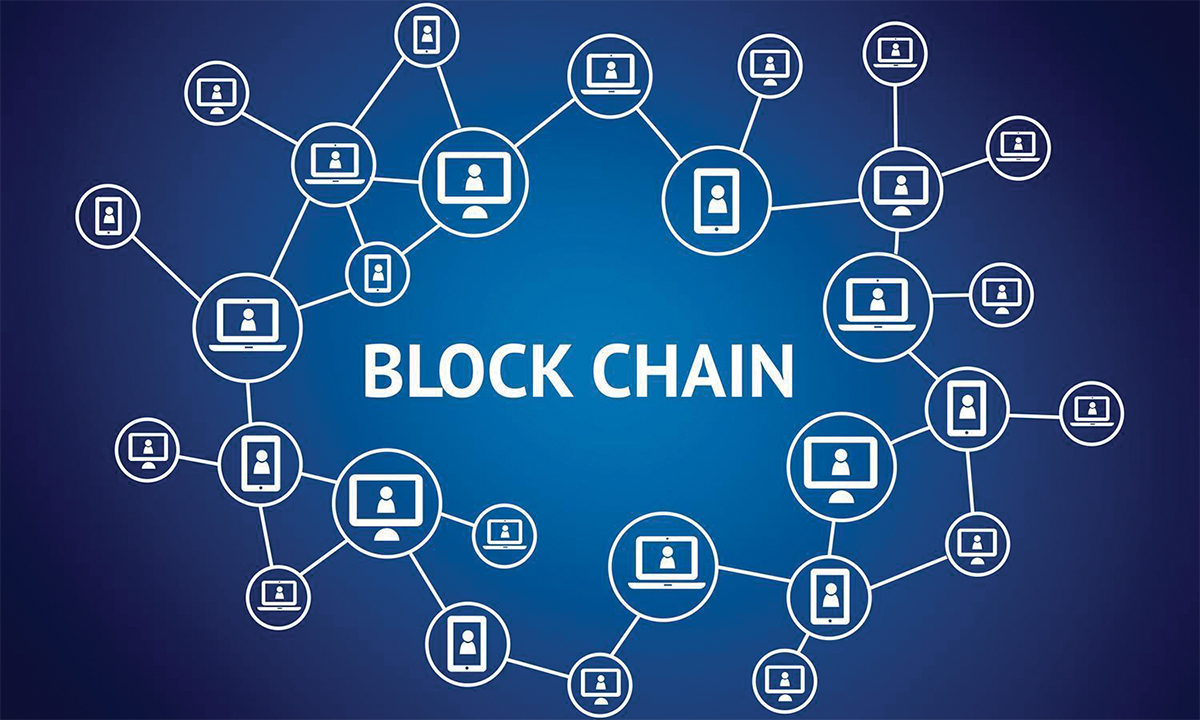
Blockchain is a revolutionary technology that enables secure, transparent, and decentralized transactions. It was first conceptualized in 2008 with the launch of Bitcoin but has since evolved beyond cryptocurrencies to industries like finance, healthcare, supply chain management, and governance. Unlike traditional databases, blockchain operates on a decentralized network where information is stored across multiple computers, making it tamper-proof and resistant to fraud. This ensures higher security, efficiency, and trust in digital transactions..
2. How Blockchain Works
Key Principles of Blockchain
Decentralization: No single entity controls the network; data is distributed across nodes.
Immutability: Once recorded, data cannot be altered or deleted, ensuring trust.
Consensus Mechanisms: Transactions are verified using protocols like Proof-of-Work (PoW) and
Proof-of-Stake (PoS).
Blockchain consists of blocks of data that are linked together chronologically. Each block contains transaction data, a timestamp, and a cryptographic hash of the previous block.
3. Importance of Blockchain Technology
Enhanced Security:Encrypted data ensures protection from cyberattacks.
Transparency:Transactions are recorded publicly and cannot be altered.
Efficiency:Removes intermediaries, reducing costs and increasing speed.
Blockchain improves security, transparency, and efficiency across industries. It reduces fraud, lowers costs, and enhances trust in digital transactions.
4. Blockchain Awareness in India
Current Awareness Levels
Despite its growing importance, blockchain awareness in India remains limited. While tech enthusiasts and financial experts are familiar with the technology, many businesses and individuals still lack knowledge about its benefits and applications.
Misconceptions About Blockchain
Blockchain is only for cryptocurrency:While blockchain powers cryptocurrencies like Bitcoin, it has
applications beyond digital currencies.
Blockchain is illegal in India:Blockchain itself is not banned; only private cryptocurrencies face
regulatory restrictions.
5. Government Initiatives on Blockchain in India
The Indian government has shown interest in blockchain through various initiatives:
National Strategy on Blockchain (MeitY): A framework for blockchain adoption in governance and
industries.
RBI's Digital Rupee: The Reserve Bank of India is working on a Central Bank Digital Currency (CBDC).
tate-Level Initiatives: Telangana and Maharashtra have implemented blockchain for land records and
governance.
These efforts aim to integrate blockchain into various sectors, enhancing transparency and efficiency.
6. Blockchain in Banking and Finance
Banks use blockchain for secure payments, fraud prevention, and smart contracts. Major banks like SBI and ICICI are adopting blockchain.
7. Blockchain in Supply Chain Management
How Blockchain Improves Supply Chains Transparency: Ensures authenticity of goods and prevents counterfeiting. Automation: Smart contracts reduce paperwork and speed up processes. Traceability: Helps track the origin of products, improving quality control. Companies like Reliance and Tata are exploring blockchain for more efficient supply chain operations.
8. Blockchain in Healthcare
Blockchain secures medical records, improves data interoperability, and enhances medical research integrity.
9. Blockchain in Education
Blockchain ensures authenticity in academic certificates, secures student records, and prevents fraud in educational institutions.
10. Blockchain in Governance
Blockchain can improve voting systems, land registration, and digital identity management.
11. Blockchain and Cryptocurrency in India
Cryptocurrency is still under regulation, but RBI is working on a digital rupee. The government has imposed a 30% tax on crypto transactions.
12. Blockchain Startups in India
India has a growing blockchain startup ecosystem, including companies like Polygon, WazirX, and CoinDCX.
13. Challenges of Blockchain Adoption
Blockchain faces challenges such as regulatory uncertainty, lack of awareness, and scalability issues.
14. The Future of Blockchain in India
Blockchain adoption is expected to grow in finance, healthcare, education, and governance.
15. Educating and Upskilling Indians
Blockchain courses and certifications are available through IITs, online platforms, and government programs.
16. Myths and Facts About Blockchain
Myth: Blockchain is only for cryptocurrency. Fact: It has multiple applications in various industries.
17. FAQs on Blockchain in India
Q1: Is blockchain legal in India? Yes, blockchain is legal, but goverments have some regulations over cryptocurrency.